This article is part of the continuing series: Inheritance and Influence: Women of the Promise.
The scene is a Wednesday afternoon in 1st-century Jerusalem. The soldiers arrested Jesus the night before; he went through torture and false trials, and now he is being executed by crucifixion. In recording his arrest, Matthew writes, “Then all the disciples forsook him, and fled.” (Matthew 26:56) However, this verse does not tell the whole story because not all of the disciples fled. In these moments, the male disciples of Christ (at least most of them) were locked in a room filled with fear and trepidation. Meanwhile, certain women, including one Mary Magdalene, stood observing the Cross. She watched as they nailed him to the cross, she listened as they mocked him, and she sat in prayer and grief during the three hours of darkness. This article explores Mary’s role not as a passive observer, but as a courageous outlier who refused to let fear dictate her proximity to Jesus.
The last time we see the Apostle Peter before the crucifixion of Jesus Christ is in the courtyard where Jesus was being tried illegally by the High Priest and members of the Sanhedrin. In that moment, despite his bold declarations of devotion, Peter denied him and joined the other men in hiding. The position in the newly formed community of believers defined the discipleship of the men. They knew Christ had given them authority, and as a result, they feared the government’s reaction to their authority.
Meanwhile, we see the female disciples in a much different situation. “And many women were there beholding afar off, which followed Jesus from Galilee, ministering unto him: Among which was Mary Magdalene…” (Matthew 27:55-56). The women’s discipleship was defined by dedication and quiet service, rather than positions of authority. They first focus on ministering to Christ, then to others around them. They embody the very commandment of Jesus. Now, in this moment, they don’t deny and hide. They stay, through all the horrendous acts, and observe out of love and compassion. This constant presence of discipleship demonstrated by Mary would continue with her presence early Sunday morning at the tomb. (Matthew 27:61)
The political climate of first-century Roman culture, of which Jerusalem was a part, must be taken into consideration. The male disciples of Jesus faced a unique threat from the government. The authorities saw male followers of a man who did not deny the title “King of the Jews” during his trial and execution as immediate political threats or co-conspirators. For the men, showing up at Golgotha could have equated to a death sentence as well. Conversely, ancient culture viewed women as politically invisible. They were permitted to perform mourning rites because they were not taken seriously as potential insurrectionists. Mary and her female companions used this cultural blind spot as a shield.
Importantly, the women were leveraging their perceived weakness, politically, to demonstrate incredible spiritual courage. The criminal threat to the women was less, but it was no easy or safe task to stand by and observe the crucifixion of a man. Crucifixion was the most agonizing and cruel capital punishment used by the Roman government. The women were not just present for the suffering of Christ but also for the torment placed on the other two victims. Mary’s actions in these moments required tremendous fortitude.
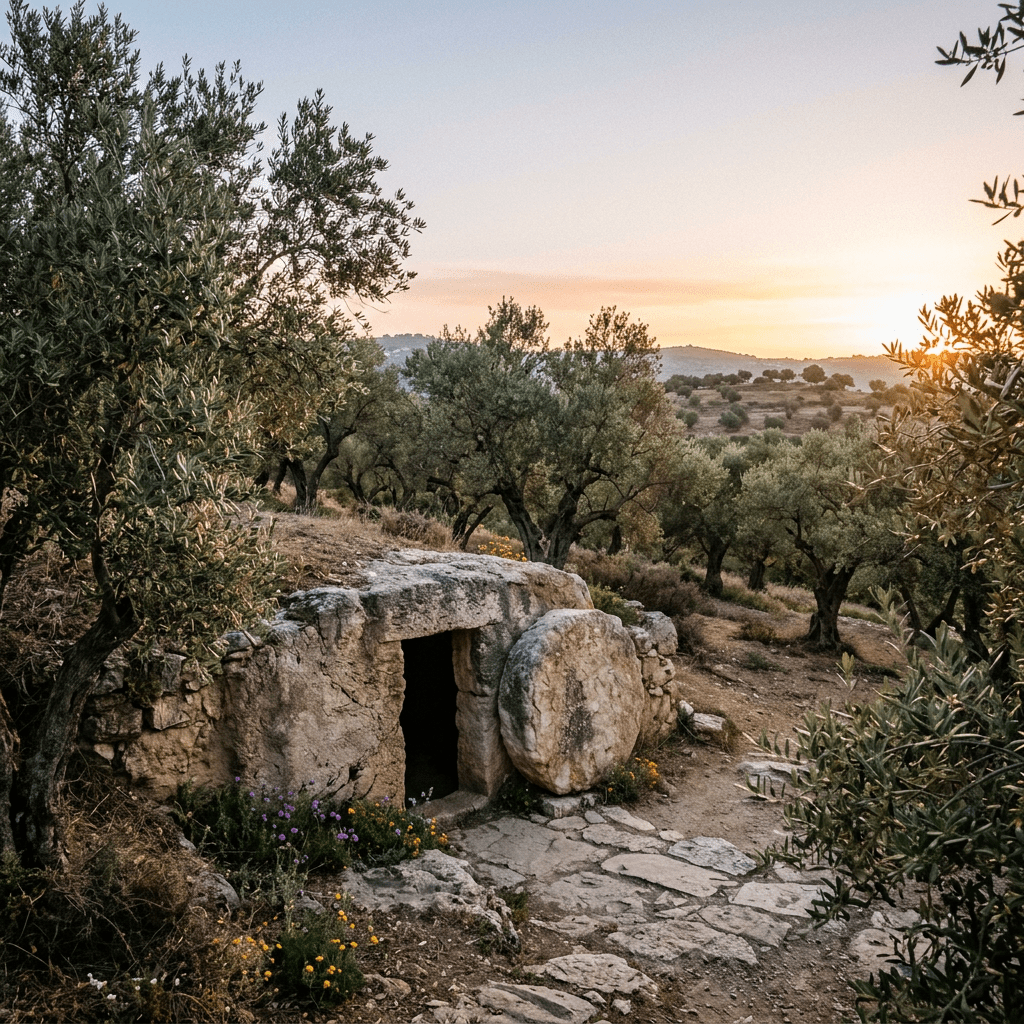
As the scene moves from Wednesday to Sunday morning, Mary’s grit remains palpable. She has spent the three days and three nights of Jesus being in the tomb making preparations to anoint his body out of love. Then, “the first day of the week cometh Mary Magdalene early, when it was yet dark, unto the sepulcher…” (John 20:1). It was not safe for a woman in Jerusalem to be out before daylight, especially in a situation where she had to leave the city. Yet, Mary could not wait any longer. She was going to close the physical distance between her and Jesus despite the danger.
Although the gospel accounts differ in the details, John records that after Peter and John run to the tomb, they look inside and not finding the body of Christ, they return home. However, Mary’s faith and devotion to Christ are unchanged. In the same manner that she could not leave Golgatha during the crucifixion, she cannot leave the tomb on this Sunday morning. Her strength lies in her willingness to linger in the place of grief when everyone else has moved on. She is willing to seek Jesus in the dark and uncertain spaces of life. Others allow their grief to drive them into hiding. Mary relies on her faith when her grief is overwhelming.
In the end, after Jesus appears to Mary, she is given a special role. She is to be the Apostle to the Apostles (Apostola Apostolorum). Jewish and Roman courts of the first century treated a woman’s testimony as legally worthless. However, God chose Mary as a witness to carry the greatest message the world has ever heard. He is Risen!! Her unwavering dedication during Christ’s ministry, her presence at the foot of the cross, and her desire to see the risen Christ made her the perfect person to bring this message to the community. Today, Mary’s faith serves as a model and example of grit and determination in the midst of grief and tribulation.


Leave a Reply